When your health is taking up far too much of your life
Health anxiety does not always look like believing you are seriously ill all day. You might work, care for your family and meet every deadline while part of your attention continually monitors your body.
You may check your pulse, blood pressure or oxygen levels repeatedly; examine your skin or body for changes; search the same symptom using different words; ask somebody else whether something looks normal; or find that a normal test result reassures you only briefly.
Some people avoid exercise because an increased heart rate feels dangerous. Others plan journeys according to where medical help would be available, or feel that relaxing their attention could allow them to miss an important warning. When symptoms feel more dangerous away from familiar support, read about travel anxiety.
The subject appears to be your health. The pattern underneath is often an urgent need to feel completely certain that you are safe.
Why health anxiety feels so convincing
Health anxiety often begins with something real. You genuinely felt the pain, dizziness, flutter, tightness or change in sensation. Anxiety can also produce physical symptoms, giving your mind more information to interpret. When dizziness becomes a prediction that you will lose consciousness, read about fear of fainting.
An unfamiliar sensation is quickly given a threatening meaning: “What if this is serious?” Your attention narrows. You monitor the sensation more closely and notice more detail.
You search, check or ask for reassurance. The action reduces the fear temporarily, so your mind learns that it was necessary. The next sensation triggers the same response more quickly.
Sensation → threatening meaning → checking or reassurance → brief relief → renewed doubt
The NHS identifies frequent body checking, repeatedly asking for reassurance, worrying that doctors or tests have missed something and obsessively searching for health information as common features of health anxiety. Read the NHS guidance on health anxiety.
The behaviours intended to reassure you can keep the fear active
Googling symptoms
You search because you want an explanation that allows you to stop worrying. Search results cannot examine you or interpret a symptom within your full medical history. They provide possibilities, including serious conditions that may be far less likely.
The search stops being a way to make an appropriate decision and becomes an attempt to eliminate uncertainty. Read Why Do I Keep Googling My Symptoms?
Checking your body
Bodies are not completely still or symmetrical. Sensations vary, skin looks different under different light and heart rate changes with movement, temperature, food, stress and attention. The closer you monitor yourself, the more variation you discover.
The reassuring check rarely feels final. You wonder whether you checked properly, so you do it again. Read Why Do I Keep Checking My Body?
Monitoring your heart rate during exercise
A faster heartbeat is expected during physical activity, but it can feel dangerous when your mind has learned to treat the sensation or the number on a fitness watch as a warning. Stopping and waiting for the reading to fall brings relief, which can make the next increase feel even more important. Read Why Does Exercise Make Me Panic When My Heart Rate Goes Up?
Asking for reassurance
Your partner’s answer calms you, then another detail appears: “Are you sure?” Reassurance works quickly, which is precisely why the mind asks for it again. It removes the immediate discomfort without changing the response to uncertainty.
Read Why Do I Need Constant Reassurance?
Questioning medical advice
You receive an appropriate assessment. Later, you wonder whether the doctor seemed rushed, whether you forgot something or whether the test was performed too early. The medical question becomes a question about whether you can trust the medical answer.
Read What If the Doctor Has Missed Something? If your attention is fixed on the wording, figures or reference ranges themselves, read Why Can’t I Stop Thinking About My Medical Test Results?
Fear of medication side effects
You may understand why a medicine has been prescribed and still feel unable to take it. Reading the leaflet, searching other people’s experiences, delaying the first dose and monitoring every sensation afterwards can turn appropriate caution into an exhausting cycle. Read Why Am I Scared to Take Medication Because of the Side Effects?
Health anxiety after illness or bereavement
A real illness, frightening medical experience or the death of somebody close can leave part of your attention continually watching for the next warning. You may compare sensations with what happened before, fear that something will be missed or feel responsible for staying alert. Read Why Did My Health Anxiety Start After an Illness or Bereavement?
Health anxiety can involve too much healthcare or avoiding it completely
Some people seek frequent appointments, examinations and tests. Others avoid healthcare because they are frightened of what might be discovered.
These responses look different, but both can be organised around the same fear. One attempts to control uncertainty through continuous investigation. The other attempts to prevent uncertainty from being triggered. Some people move between the two.
Do you need a health-anxiety diagnosis?
You do not need a formal diagnosis to arrange an initial consultation. Health anxiety can overlap with panic, obsessive-compulsive patterns, generalised anxiety or the understandable worry that follows a genuine illness or medical experience.
You may have a medical condition and also feel that the amount of checking, researching or worry has become disproportionate. The important question is how much time, attention and energy the pattern is taking from your life.
How do you know when a symptom really needs checking?
The answer is not to assume that every symptom is anxiety. It is also not to investigate continuously until you achieve complete certainty. Use appropriate medical guidance as your reference point.
- Seek professional advice for new, severe, worsening or concerning symptoms
- Follow the monitoring or treatment plan you have been given
- Understand which changes should prompt further assessment
- Allow an unchanged, appropriately assessed concern to remain assessed
- Recognise that an anxious thought is not new medical evidence
A healthcare professional is the appropriate person to assess physical symptoms. Working on health anxiety concerns the repeated investigation that continues after you already have enough information to make a sensible decision. Read how repetitive analysis can keep a question feeling unfinished.
What life can look like when health anxiety changes
The outcome is not that you stop caring about your health. You become able to care for it without continuously supervising it.
You notice a sensation and remain calm enough to decide whether anything needs doing. If advice is appropriate, you seek it and follow the agreed plan. If no further action is required, your attention returns to your day.
- Exercise without monitoring every change in your heart rate
- Receive a normal result without researching its limitations
- Sleep without conducting a mental scan of your body
- Leave an appointment without replaying the conversation
- Make plans without calculating how close you will be to medical help
- Trust an appropriate medical assessment
How does hypnotherapy for health anxiety work with the automatic pattern?
Health anxiety hypnotherapy is not about telling you to ignore symptoms or replacing appropriate medical care. We identify the exact sequence that keeps repeating: the sensation you notice, what you predict it means, the checking or reassurance that follows, the brief relief and the doubt that returns. The work focuses on changing that automatic sequence so that an appropriately assessed sensation does not repeatedly become a new emergency.
You may already understand the health-anxiety cycle very well. You know that Googling makes you feel worse and checking provides only brief relief. The response still happens.
A sensation appears and your attention locks onto it before you have consciously decided what it means. The thought feels urgent. Your body reacts. Checking or reassurance seems necessary.
Hypnotherapy may be used to help change the learned thoughts, feelings and behaviours that keep this cycle active. The work is tailored to the individual rather than based on a generic script. The purpose is not to convince you that health problems never happen. It is to help your mind respond more proportionately.
Clinical hypnotherapy is recognised by Anxiety UK as a talking therapy using hypnosis, guided relaxation and focused attention. CBT is also an established treatment for health anxiety and is available through NHS Talking Therapies. Hypnotherapy should complement appropriate medical and psychological care rather than replace it.
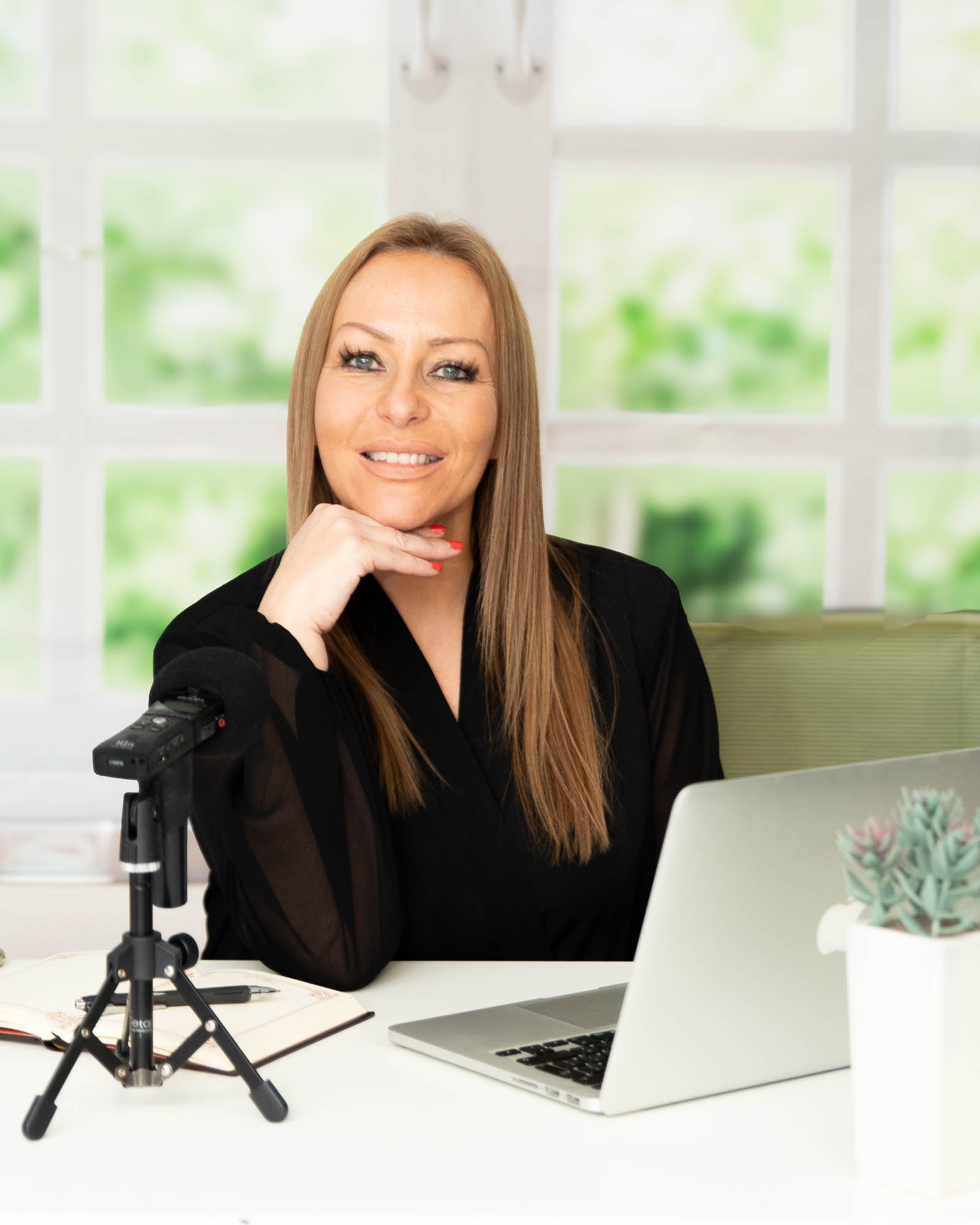
What I notice in my health anxiety work
I have worked privately with more than 1,000 clients. In health anxiety work, I regularly meet people who can explain the pattern logically and still feel unable to leave a sensation alone. They know another search may frighten them, another body check may create a new doubt and another reassuring answer may last only until the next “what if”. The difficulty is not a lack of insight. The response has become automatic.
The details vary, but the sequence is often very recognisable. A sensation is noticed, a serious possibility arrives quickly and attention narrows onto the body. Checking, researching or asking somebody else brings relief, then the mind finds a reason the answer may not be complete. A normal result can become a question about whether the test was done too early. A reassuring appointment can be replayed to decide whether the doctor sounded certain enough.
I look closely at the individual sequence rather than treating health anxiety as a vague tendency to worry. We identify what triggers the alarm, what you predict could happen if you do not act and which behaviour briefly makes you feel safer. That distinction matters because the checking or reassurance is rarely random. It is a protective response that has become overused.
These are general observations from my clinical practice, not a description of any individual client and not evidence that everybody experiences health anxiety in the same way.
Focused health anxiety treatment, wherever you are in the UK
I work with people online throughout the UK and in person at Cavendish Square, Harley Street. Many appear calm and capable while health-related fear consumes a significant amount of their attention privately. The work focuses on the specific automatic response and the repeated behaviour keeping it active.
Free initial consultation
We discuss what is happening, how it affects you and what you want to be different. We identify the sequence keeping your pattern active and establish whether I am the right person to help.
An intensive 90-minute first therapy session
I work with the aim of resolving the presenting issue within this first session wherever possible. That is the intention I bring to the work, not a guaranteed outcome. The session focuses on changing the automatic response and the checking, researching or reassurance pattern that has been keeping it active.
One to four structured sessions
Depending on the issue and your individual circumstances, additional sessions may be beneficial. Treatment is generally structured around one to four sessions rather than months of open-ended therapy.
Therapeutic audio, resources and ongoing contact
Every client receives therapeutic audio recordings, ongoing contact with me and access to approximately 20 hours of therapeutic support and resources, regardless of whether they choose one, two or four sessions. The approximately 20 hours refers to the recorded therapeutic support and resources available to you. It does not mean 20 hours of direct one-to-one therapist contact.
Read more about the Focused Hypnotherapy Programme, explore the wider Anxiety Hub or learn more about my clinical experience.
Health anxiety hypnotherapy online throughout the UK and at Harley Street
You do not need to travel to London to work with me. Online health anxiety hypnotherapy is available throughout the UK and follows the same focused therapeutic process as an in-person appointment, including the intensive 90-minute first session, tailored recordings and ongoing support.
Face-to-face appointments are also available privately in Cavendish Square, within London’s Harley Street medical district. Read about online hypnotherapy or view the Harley Street clinic information.
When to seek medical advice
Health anxiety and a genuine medical condition can exist at the same time. This page cannot determine the cause of a symptom or whether you require assessment.
Seek advice from a qualified healthcare professional for symptoms that are new, severe, worsening, persistent or concerning. Follow prescribed treatment, monitoring or follow-up. Call 999 in an emergency or contact NHS 111 if you require urgent medical advice and are unsure which service you need.
Frequently asked questions
Can hypnotherapy help with health anxiety?
Hypnotherapy may help change the automatic thoughts, physical responses and repeated behaviours that keep health anxiety active. Suitability is assessed during the initial consultation. It should not replace appropriate medical care or established psychological treatment.
How many hypnotherapy sessions will I need for health anxiety?
Treatment is generally structured around one to four sessions. The first therapy session is an intensive 90-minute appointment and some clients find one or two sessions are all they need. I recommend the appropriate number after understanding your specific pattern, its severity and the change you want.
Can I have health anxiety when I have a genuine medical condition?
Yes. The relevant issue is whether worry, checking, researching or reassurance has become disproportionate and is significantly affecting your life. Medical care should continue as advised.
Does health anxiety cause real physical symptoms?
Anxiety can produce genuine physical sensations. A healthcare professional should assess symptoms when medical advice is appropriate. Experiencing health anxiety does not mean every sensation should be attributed to anxiety.
Should I stop checking my body?
Follow monitoring instructions from your healthcare professional. Work on health anxiety concerns unnecessary repeated checking beyond that plan, rather than encouraging you to ignore your health.
Are online sessions suitable for health anxiety?
Yes. Online appointments are available throughout the UK and follow the same focused process as appointments at Harley Street. You need a reliable internet connection and a private place where you can speak freely.
What if I am worried hypnotherapy will make me lose control?
You remain aware and able to respond throughout hypnosis. You can hear what is being said and cannot be made to do anything against your will. Read the frequently asked questions.